Trauma & PTSD Therapy in Pennsylvania – You’re Not Alone in This

Healing after trauma takes courage, and you don’t have to do it by yourself. Our compassionate therapists provide a safe, supportive space to help you find peace and move forward.

Therapy for Trauma & PTSD in Pennsylvania

Do you find yourself unable to sleep? Do everyday activities suddenly feel unsafe or overwhelming? Even small changes in your routine put you on edge, and your mind keeps circling back to what happened. These may be signs of PTSD. Trauma and PTSD therapy in Pennsylvania can help you find relief and begin healing.

The Impact of Trauma and PTSD

There’s a saying: “trauma is in the eye of the beholder.” Two people may live through the same event, but only one may carry lasting trauma symptoms. We don’t always know why, but we do know this: trauma can deeply affect daily life.

Common symptoms may include:

Anxiety

Nightmares

Flashbacks

Depression

Difficulty concentrating

These symptoms often interfere with work, sleep, and even your most important relationships.

Common Symptoms of PTSD and Trauma

PTSD symptoms can look different for everyone, but these are the most common signs people experience:

Emotional & Cognitive Symptoms

  • Anxiety or feeling “jumpy” (startle response)
  • Intrusive or negative thoughts
  • Flashbacks or reliving the traumatic event
  • Depression or withdrawal from others
  • Difficulty concentrating
  • Anger and irritability

Physical Symptoms

  • Difficulty sleeping
  • Nightmares

Behavioral & Coping Symptoms

  • Risky or impulsive behaviors
  • Substance use (alcohol or drugs) as a coping strategy


Want a clearer picture of what you may be experiencing? Consider taking the Psychology Today PTSD test.

Therapy for Trauma and PTSD in Pennsylvania Can Help

Trauma can come from one event, like a car accident or sexual assault, or from repeated experiences, such as ongoing childhood abuse. Whether it happened recently or years ago, the effects can still feel heavy today.

Every person’s trauma experience and symptoms are unique.

Our therapists are trained in trauma treatment and have helped many clients find relief. You don’t have to stay “stuck” in the past.

Therapy can help you:

  • Learn effective coping strategies
  • Process what happened in a safe space
  • Reduce symptoms that interfere with daily life
  • Rebuild a sense of control and peace

Move Forward Counseling’s Approach to Trauma & PTSD Therapy

Healing from trauma is a process, and our therapists guide you through each step with compassion and proven methods.

Step 1: Build Trust

Your therapist takes time to get to know you and create a safe, supportive relationship.

Step 2: Learn Coping Skills

You’ll practice techniques to manage symptoms — such as mindfulness for anxiety and strategies to improve sleep.

Step 3: Process the Trauma

Using evidence-based therapies like Eye Movement Desensitization and Reprocessing (EMDR) or Trauma-Focused Cognitive Behavioral Therapy (TF-CBT), your therapist helps you work through what happened.

While addressing trauma can be difficult, many clients notice positive changes within a few months. You may not forget what happened, but therapy can reduce your symptoms, restore balance, and help you move forward from PTSD

Counseling for Teens Who Have Experienced Trauma

Trauma-Focused Cognitive Behavioral Therapy (TF-CBT) is an evidence-based treatment designed to help children, adolescents, and their parents recover from the impact of traumatic events.

Examples of trauma that may lead to therapy include:

  • Death of a loved one
  • Physical, sexual, or emotional abuse
  • Witnessing domestic violence
  • Accidents
  • Natural disasters

How TF-CBT Helps Teens

TF-CBT reduces distressing symptoms and restores a sense of control and empowerment.

The therapist, client, and parent work together to:

  1. Learn about the trauma and its effects
  2. Build a toolbox of coping skills for stress reactions, sleep, and anxiety
  3. Reframe past events and challenge distressing thoughts
  4. Process the trauma using creative, strength-based approaches
  5. Integrate the trauma in a positive way so the teen feels hope and empowerment


What to Expect:

  1. TF-CBT is a structured, short-term treatment (12–25 sessions).
  2. Sessions include time for the child or teen, time for parents, and joint sessions with both.
  3. With therapy for teens in Pennsylvania, we help families work together to heal and move forward.

What Might Be Holding You Back From Starting Trauma Therapy?

It’s common to have doubts before starting therapy. You may be thinking:

  • “Maybe it will go away if I just ignore it.”

  • “The anxiety and sleepless nights are just part of who I am now.”

  • “Talking about the trauma will only make it worse.”

These thoughts are normal, but the truth is:

  • PTSD and trauma symptoms usually do not improve on their own.

  • Therapy provides tools to help you feel better and get “unstuck.”

  • Our trauma-trained therapists have helped many clients regain daily functioning and peace of mind.

Meet Our Trauma Therapy and PTSD Treatment Therapists

Move Forward Counseling has caring and experienced therapists who specialize in therapy for Trauma Therapy and PTSD Treatment.

Choose Your Location

Location
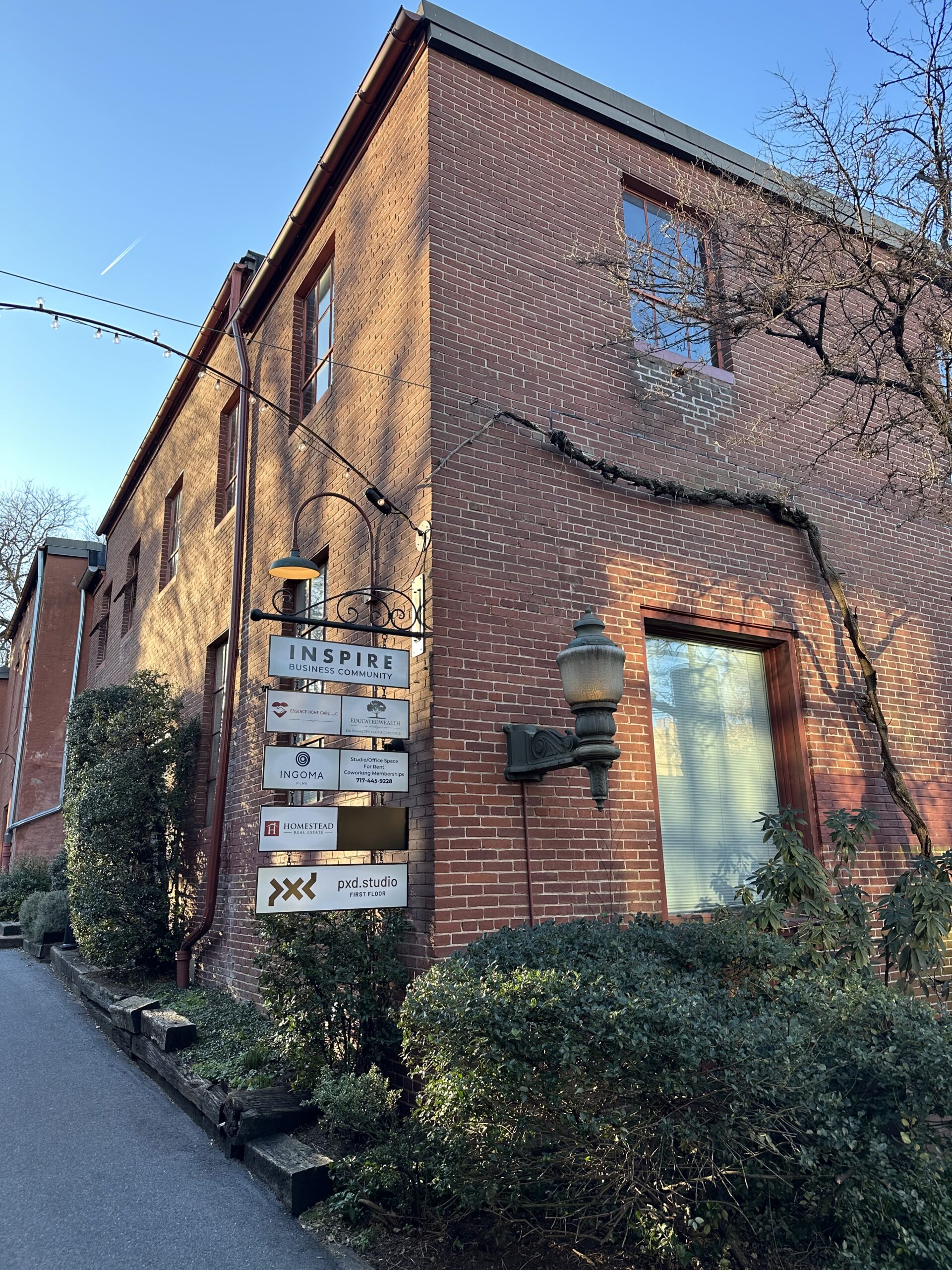
Lancaster Downtown
Lancaster Downtown
Lancaster Downtown
Lancaster Downtown
Lancaster Downtown
Online Therapy PA
Online Therapy PA
Online Therapy PA
Online Therapy PA
Online Therapy PA
Online Therapy PA
Online Therapy PA
Online Therapy PA
Online Therapy PA

FAQ About Trauma & PTSD Therapy in Pennsylvania

1. Can PTSD go away without therapy?

PTSD symptoms rarely improve on their own. Without support, they may even get worse over time. Therapy helps you learn coping skills, process trauma safely, and reduce symptoms so you can move forward.

2. How does trauma therapy help?

Trauma therapy provides a safe, confidential space to work through what happened. Therapists use evidence-based treatments like EMDR and TF-CBT to help you manage anxiety, flashbacks, and other symptoms while building long-term resilience.

3. What happens in PTSD therapy sessions?

Early sessions focus on building trust and learning coping skills for sleep, anxiety, or intrusive thoughts. Later, your therapist helps you process the trauma using structured methods, with support every step of the way.

4. Is trauma therapy right for me?

If trauma or PTSD symptoms—like nightmares, flashbacks, or feeling on edge—are disrupting your life, therapy can help. Many people start seeing improvements in daily functioning within a few months of treatment.

Take the First Step Toward Healing Today

You don’t have to carry the weight of trauma alone. Our licensed Pennsylvania therapists are here to listen, support, and guide you with proven trauma and PTSD therapies. Healing is possible — and it can start now.

Begin Trauma Therapy at a Therapy Office or with MFC's Online Therapy in Pennsylvania

You don’t have to live with the negative, intrusive thoughts, anxiety, and irritability of PTSD. Counseling can help you reduce these symptoms and live a life not overshadowed by trauma. Our mental health private practice offers in-person therapy at all our therapy offices. Many of our caring therapists specialize in trauma. We can help you wherever you are in the state with online therapy in Pennsylvania. To start your trauma counseling journey, reach out to us today.

Recent Blogs

Monthly Newsletter

To get our monthly newsletter with current openings and new office information sign up here.