Therapy for Teens in Pennsylvania — Online & In‑Person Counseling That Helps

Support your teen through anxiety, depression, trauma, or social challenges with compassionate, evidence-based therapy across PA.

Therapy for Teens in Pennsylvania

Being a teenager is hard — especially today.

 Teens face constant pressure from:

Physical and hormonal changes

Emotional ups and downs

Academic and social stress

Technology and social media overload

It’s no surprise many teens feel anxious, overwhelmed, or emotionally stuck.


At Move Forward Counseling, we offer compassionate, evidence-based teen therapy across Pennsylvania — in-person and online — to help adolescents build resilience, cope with challenges, and thrive.

Common Reasons Teens Begin Counseling

Many teens come to therapy because of these common signs of emotional or mental distress:

Persistent Sadness

Tears, hopelessness, or emotional overwhelm — especially when your teen says, “I don’t know why I feel like this.”

Irritability or Anger

More frequent, intense outbursts — especially if this behavior is new or out of character.

Social Withdrawal

Avoiding friends, relationships,  isolating in their room, skipping family or social activities.

Loss of Interest

Sudden disinterest in hobbies like sports, music, or clubs — things they once loved.

Falling Grades

Difficulty concentrating or keeping up in school — a common sign of anxiety or depression.

Eating or Sleeping Changes

Skipping meals, binge eating, staying up all night, or sleeping excessively.

Common Reasons Teens Begin Counseling

Persistent Sadness

Tears, hopelessness, or emotional overwhelm — especially when your teen says, “I don’t know why I feel like this.”

Irritability or Anger

More frequent, intense outbursts — especially if this behavior is new or out of character.

Social Withdrawal

Avoiding friends, relationships,  isolating in their room, skipping family or social activities.

Loss of Interest

Sudden disinterest in hobbies like sports, music, or clubs — things they once loved.

Falling Grades

Difficulty concentrating or keeping up in school — a common sign of anxiety or depression.

Eating or Sleeping Changes

Skipping meals, binge eating, staying up all night, or sleeping excessively.

  • Loss of interest in activities: Is your teen suddenly disinterested in playing in the band or signing up for soccer? Do they not want to do much of anything anymore?
  • Poor school performance: Falling grades and difficulty concentrating can be a sign of something wrong. It can be hard to focus on schoolwork if your teen is depressed or anxious.

  • Changes in eating or sleeping habits: Is your teen suddenly uninterested in eating? Or the very opposite — are they going on food binges? Have you noticed your teen asleep at odd hours or up all night?

How Teen Counseling Can Help

Every teen is different, so we tailor therapy to their unique needs — whether it’s anxiety, depression, trauma, or social struggles.

Anxiety & Depression
We often use CBT for teens to help them reframe negative thoughts and build emotional resilience.

Social Stress & Conflict
Therapy teaches teens assertiveness, healthy boundaries, and stronger communication with peers and family.

Trauma Recovery
For teens who’ve experienced trauma, we use TF-CBT, a proven approach that helps them process experiences and move forward with confidence.

Confidentiality in Teen Therapy: What Parents Need to Know

In Pennsylvania, teens 14 and older have the legal right to make their own decisions about mental health treatment — including whether to involve a parent.

This means:

  • Your teen can choose how much is shared with you
  • Therapists will honor their privacy unless there’s a safety concern


If your teen is ever at risk of harming themselves or others, the therapist will involve you — but this law otherwise protects your teen’s privacy, helping them build trust, open up, and take ownership of their healing process.

Begin Therapy for Teens in Pennsylvania

Your teen doesn’t have to face this alone. At Move Forward Counseling, our licensed therapists specialize in teen therapy — in person or online across Pennsylvania — to help teens build confidence, reconnect socially, and thrive in school.

Getting started is easy:

  1. Contact our scheduling team — we’ll match your teen with the right therapist
  2. Attend your intake session — online or at one of our Pennsylvania locations
  3. Begin the journey — watch your teen regain confidence and balance

Meet Our Therapy for Teens Therapists

Move Forward Counseling has caring and experienced therapists specializing in counseling for teens.

Choose Your Location

Location
Online Therapy PA
Pittsburgh & State College
Online Therapy PA
Online Therapy PA
Online Therapy PA
Online Therapy PA
Online Therapy PA

FAQs About Teen Therapy in Pennsylvania

Model healthy behavior yourself. Kids notice how adults in their lives talk about their own bodies, compare themselves to others, talk about others, and use their own phones. Modeling balanced, non-comparison-driven use (and your own media literacy) teaches more than any conversation will. Keep the conversation open.

Avoid criticizing the influencers, trends, or platforms your child enjoys. If they expect a lecture every time they mention something online, they may stop telling you about their experiences.

The goal doesn’t necessarily have to be getting your child off social media. It can be helping them reach a point where what they see on a screen doesn’t determine how they feel about themselves.  Stay curious. Ask what they like about social media as well as what they find difficult.

Wanting more privacy and independence is a normal part of growing up, especially during the middle school and teenage years. Some children also naturally need more time alone to relax and recharge. Spending time alone isn’t necessarily a problem—the more important question is whether your child’s behavior has changed and what that time alone seems to mean for them.

You might say, “I’ve noticed you’ve been spending more time by yourself lately. Are you enjoying having some space, or have things been feeling difficult?”

Your child may not open up immediately. Keeping the conversation calm and leaving the door open can be more effective than repeatedly pressing for an answer.

The goal is to create opportunities for conversation without making every interaction feel like an interrogation.

  • Ask open ended questions.
  • Listen instead of trying to fix it.
  • Try not to minimize what they’re feeling.
  • Respect “not right now” if your child doesn’t want to talk. Try again another time.


Don’t take it personally if they talk to someone else. Your child may sometimes feel more comfortable talking to another trusted adult—a grandparent, relative, teacher, coach, school counselor, or therapist. That doesn’t necessarily mean you’ve failed to create a close relationship. Having several safe adults they can turn to can be a strength.

Teenagers’ sleep patterns naturally change during adolescence, and many teens need more sleep than adults realize. Most teens ages 13–18 need about 8–10 hours of sleep each night. Between early school schedules, homework, activities, jobs, friends, and phones, many simply aren’t getting enough. However, some teens become caught in a cycle: they’re exhausted during the day, nap after school, aren’t tired at bedtime, stay awake late, and then struggle to wake up the next morning.

Instead of focusing only on “Why are you sleeping so much?” or “Why can’t you just go to sleep?”, ask about how your teen has been feeling overall. Try asking: “I’ve noticed your sleep has really changed lately. How have you been feeling?”

Ask about school, friendships, stress, mood, worries, and what happens when they’re lying awake at night.

Self-harm warrants an assessment by a therapist or your pediatrician, ideally someone experienced with adolescents. In the moment you find out, stay as calm as you can. Express concern, instead of anger or shock. Ask about what’s happening instead of demanding they promise not to do it again. Listen without judging. For some kids, self-harm is a way to cope with overwhelming emotions — a release valve for distress, numbness, or feelings they don’t have words for — rather than a suicide attempt. That said, self-harm and suicidal thoughts can overlap, so seek professional guidance.

In Pennsylvania, teens 14 and older can begin therapy on their own. At Move Forward Counseling, we respect their privacy while also working with families to support teens in a way that builds trust and encourages growth.

Teens often come to us when they’re struggling with anxiety, depression, trauma, or school and social stress. If your teen seems withdrawn, overwhelmed, or unlike themselves, our therapists can help them feel more confident and supported.

Yes — we provide secure, HIPAA-compliant online teen therapy across all of Pennsylvania. It’s a flexible option for families who prefer virtual care or live outside our in-person office locations.

At Move Forward Counseling, we respect teens’ privacy while also working with families to support teens in a way that builds trust and encourages growth.

Our therapists understand that parents want to help. While Pennsylvania law gives teens 14+ confidentiality, we work closely with families when appropriate — always prioritizing your teen’s safety, trust, and therapeutic progress.

Ready to Help Your Teen Feel Better — Emotionally & Socially

Reach out today to get started with counseling for teens. Our supportive staff will help guide you through the scheduling process, discuss special requests and help you get started easily.

Start Therapy for Teenagers at a Therapy Office or with MFC's Online Therapy in Pennsylvania

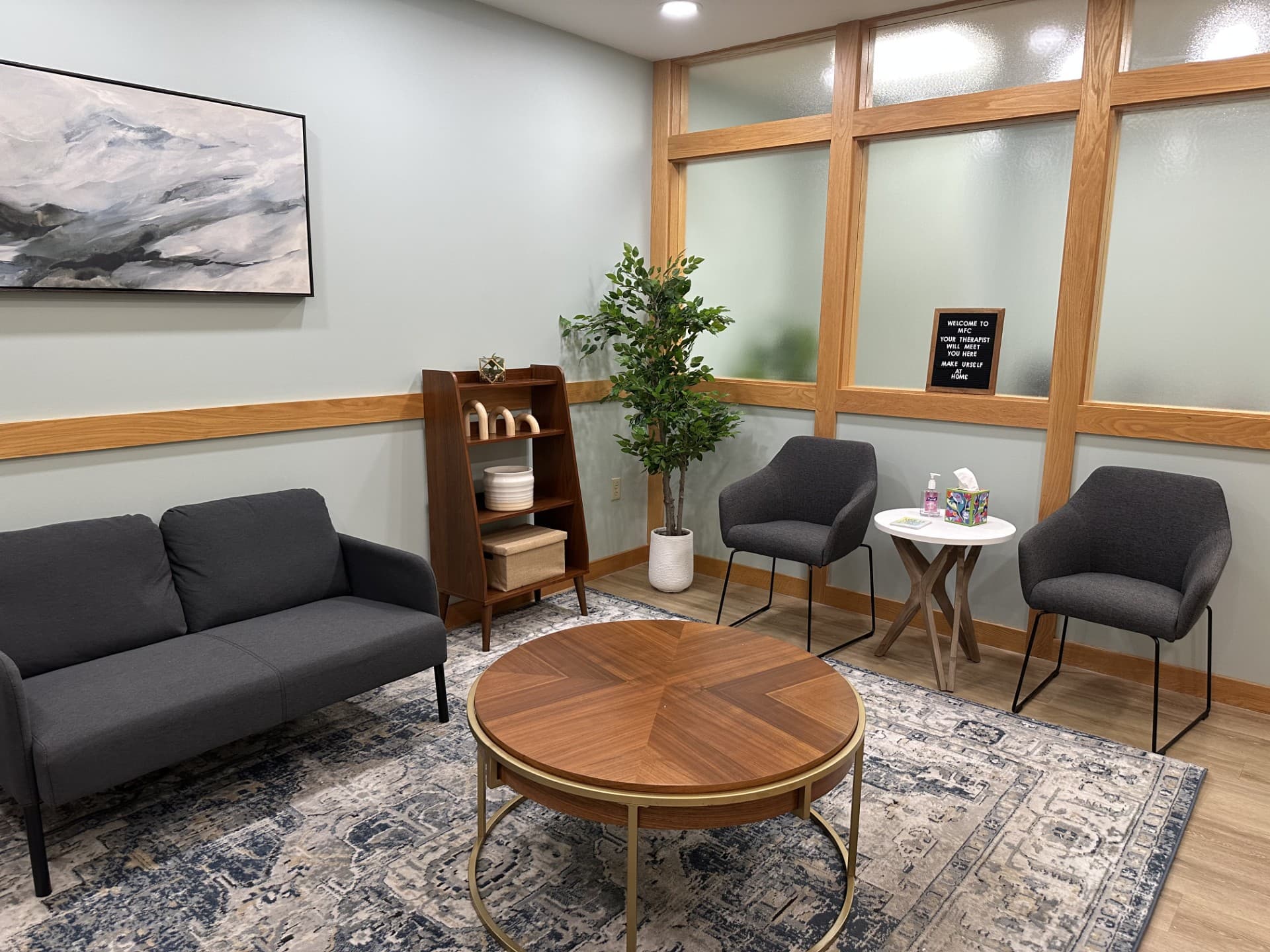
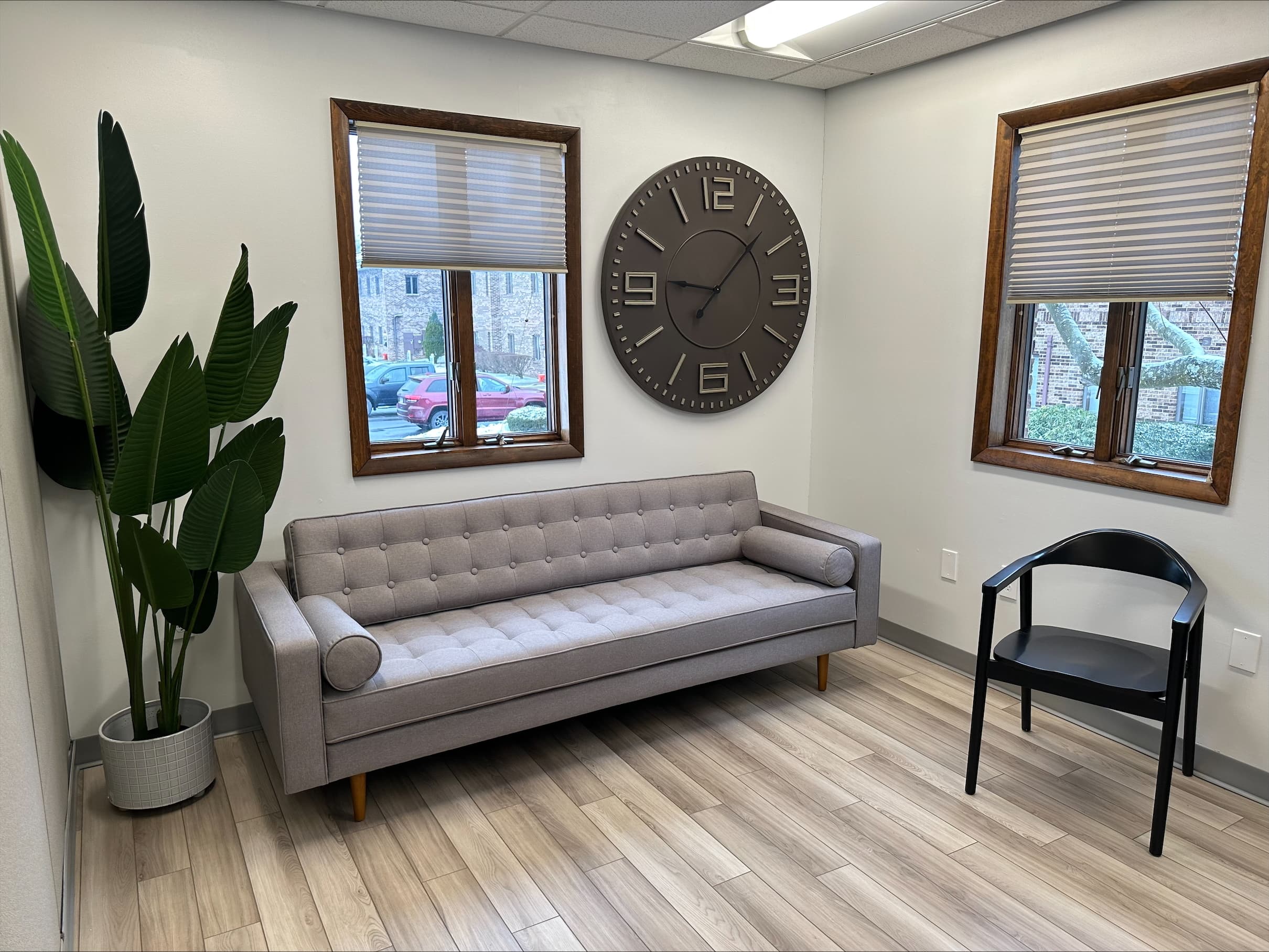
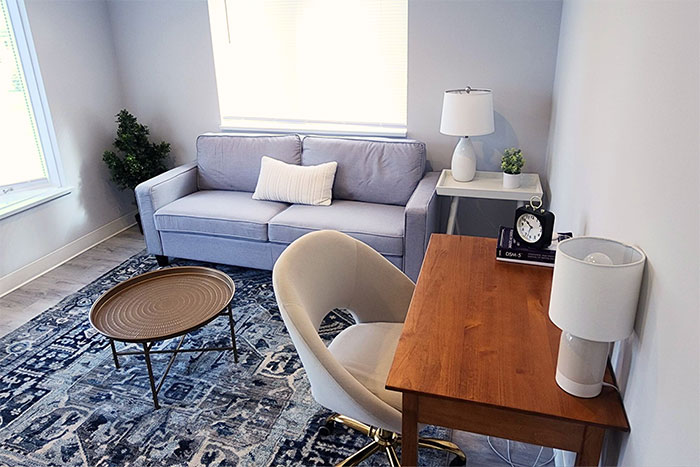
We offer in-person Counseling for Teens in all our therapy offices. We can help people all over the state with online therapy in Pennsylvania. 

Recent Blogs