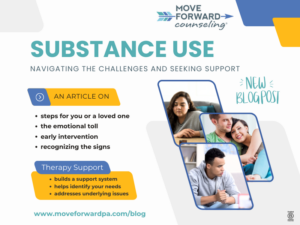
An experienced therapist in recovery shares why waiting for external factors to dictate our substance use and sobriety doesn’t work.
As a Certified Drug and Alcohol counselor, I’ve heard it all…
- I’ll quit when I get the right job.
- Once I find the perfect relationship, I’ll be motivated to be sober.
- If I move to another city, I’ll be able to stop.
- You’d drink and use too if you had a crazy family like me.
- I’ll stop when my kids get older and know what’s really going on…
So many of us are waiting for an external factor to dictate our substance use and our sobriety. It never occurs to us that we hold the power to live a life in recovery because we are so blinded by alcohol and drugs. Simply put, our addictions are so powerful and run our lives.
About Addiction
As a person in long-term recovery coupled with my many years as a therapist, if I have learned anything about addiction, it is this…
- If your desire and need to change your drinking and substance use doesn’t come from within you, recovery and sobriety are most likely not going to last.
- It does not matter why and how you decided to get help. The key is that you are recognizing that life with drugs and alcohol is no longer beneficial to you. The first steps are reaching out for help, getting your foot in the door, and finding the right therapist to help you throughout your road to recovery.
How do I get help?
No matter where you are in your journey of addiction and recovery, finding a supportive therapist who understands the struggle of a substance use disorder is essential. Whether you are in early recovery or have long-term sobriety, talking through life’s obstacles with the right therapist can be critical to your recovery program.
I believe it is extremely important to work together to create an individualized treatment plan customized to your needs. Addressing the underlying issues, whether it be anxiety, depression, trauma, abuse, or co-dependency, to name a few, is of utmost importance. Talking through all aspects of your life and identifying core beliefs are crucial parts of the recovery process.
So please, be brave. Ask for help. Connect with a therapist who can help you take your life back and create the happiness you deserve in sobriety. Be vulnerable, let others in, and do the necessary work to make changes in your life. You are not alone on this journey. I’ve been traveling on my own journey, too, and I am here to help.
Get Help at Move Forward Counseling
Book an appointment with Amy McGowan, LPC, CAADC, or read her full biography. Learn about (CAADC) CERTIFIED ADVANCED ALCOHOL AND DRUG COUNSELOR therapists.
In-person therapist at the Emmaus, PA, therapy office in Lehigh Valley and online across PA.
View Amy’s biography on Psychology Today.