York Office
1410 E Market Street,York, PA 17403

Many young people in their 20s are struggling today because there is no road map for life after school. Life was structured and scheduled until you were 18 or 22 (depending on if you went to college). You knew when to attend class and what work to turn in to get a good grade. You knew if you earned enough credits, you would graduate.
But life after school is very different. Maybe you are in a job that you hate. Perhaps you need help to have a career. No one can definitively tell you if you should return to school or move to a new city.
Sometimes the stress and pressure of these big life decisions are too much to handle. Therapy for 20-somethings can help you navigate life.
If you feel overwhelmed, seeking help from a licensed counselor can help you work through these transitions and develop healthy coping skills. Maybe you are shutting down, feeling depressed, or so anxious about everything that you have started drinking more than you should or are having trouble coping with everyday activities.
A counselor can help you process these feelings and help you to feel more confident. Reading articles on clarifying your life goals and vision may also assist you.
You are not alone in this struggle; you don’t have to let these feelings get in the way of following your dreams. A little help can go a long way to easing the transition to adulthood.
Move Forward Counseling has caring and experienced therapists specializing in therapy for people in their twenties.
It may help to remember that you don’t have to figure out your entire future right now. Instead of asking, “What am I going to do with my life?”, try asking smaller questions: What matters to me? What would I like to explore? What isn’t working for me anymore? What’s one step I could take next? Feeling lost can also be an opportunity to learn more about yourself. Your interests, values, relationships, and goals may change as you gain new experiences. Changing direction isn’t necessarily failing—it can be part of becoming an adult and developing your own sense of identity.
Making close friends after finishing high school or college can be surprisingly difficult. For much of your life, friendships may have developed naturally because you were regularly surrounded by people your own age. Once school ends, that built-in social environment often disappears.
It is also normal to feel uncertain during this stage of life. You don’t have to have a completely defined identity before you can move forward. Sometimes identity develops through trying things, changing direction, building relationships, experiencing setbacks, and discovering what you want to carry with you. Explore these questions without needing to have the answers first. Try separating your own values and goals from outside expectations, recognize patterns that may be influencing your choices, and become more comfortable making decisions based on the person you’re becoming—not just the person you’ve been expected to be.
Reach out today to get started with 20-Somethings counseling. Our supportive staff will help guide you through the scheduling process, discuss special requests and consult your insurance needs.
We offer in-person 20-Somethings counseling at all our therapy offices. We can help people all over the state with online therapy in Pennsylvania.

1410 E Market Street,York, PA 17403
131 Foxshire DriveLancaster, PA 17601

118 Springwood Drive, Suite 200
Lebanon, PA 17042

935 East Chocolate Ave.Hershey, PA 17033

2345 Murray Ave, Suite 310,
Pittsburgh, PA 15213

3091 Enterprise Drive, Bld. D, Suite 202, State College, PA 16801

Across Pennsylvania

Supporting Gen-Z Through Life Transitions: A Parent’s Guide was written by a mental health blog writer contracted to provide mental health and wellness education for
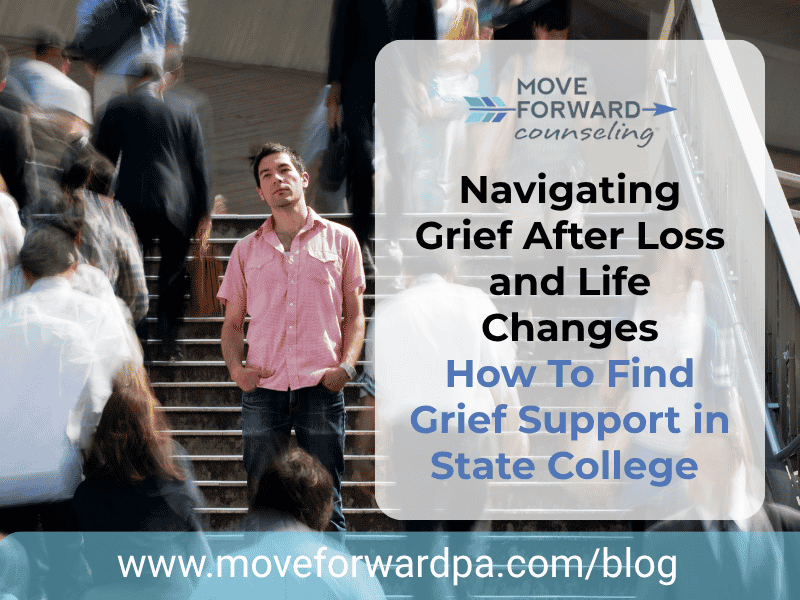
Navigating Grief After Loss and Life Changes: Grief Counseling in State College and Across Pennsylvania was written by a mental health therapy blog writer hired

“Eating Disorders Don’t Discriminate: How Identity Shapes Recovery” is written by Katie Mauro, LCSW (she/they), MFC’s Eating Disorders Program Clinical Director. Katie brings her experience

Techniques
Acceptance & Commitment Therapy (ACT)
Cognitive Behavioral Therapy (CBT)
Dialectical Behavior Therapy (DBT)
For Employers
Session Formats